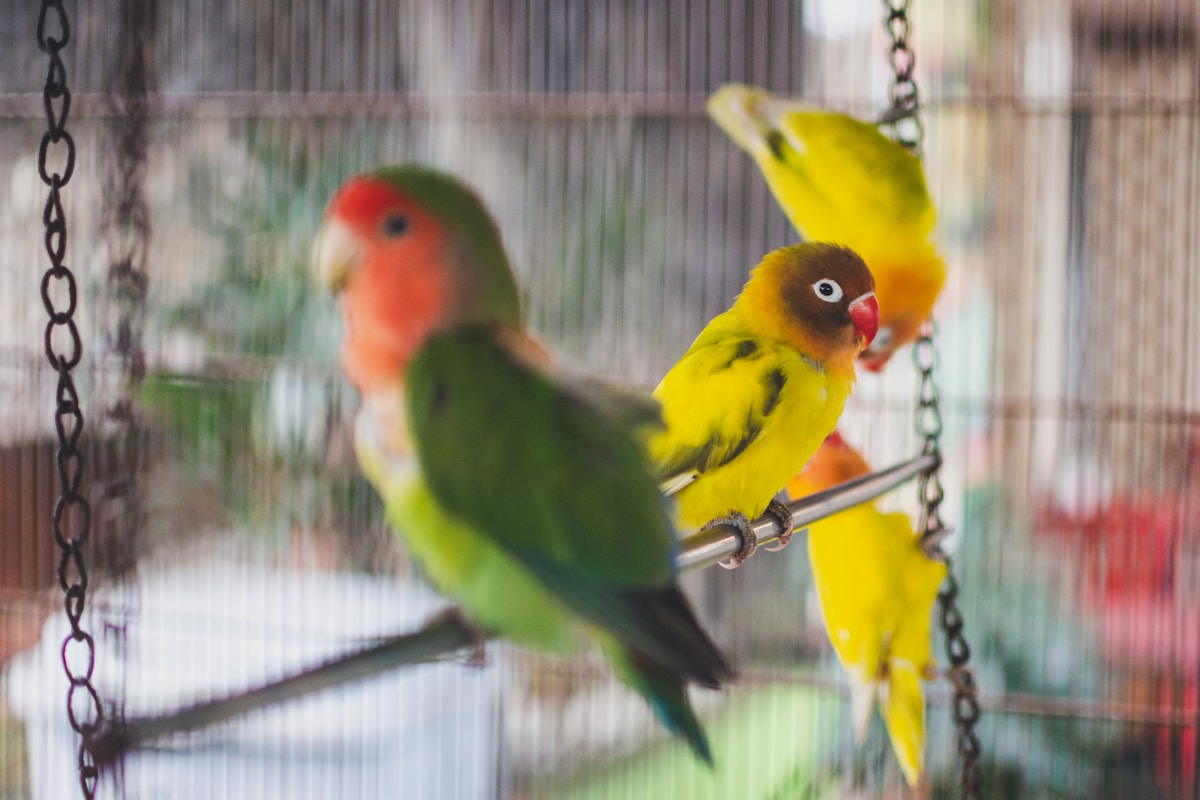
Bringing home a bird for the first time is exciting, a little nerve-wracking, and one of the most rewarding decisions a household can make. Birds are intelligent, expressive, long-lived companions that form genuine bonds with the people who care for them. They are also a real commitment, and the families who do their homework before adopting tend to have the smoothest, happiest experiences.
At Ajax Birding Co., we meet a lot of first-time owners, and the most common thing we hear is "I wish someone had told me this sooner." Here is the honest, practical guide we wish every new owner had before bringing their feathered friend home.
Choosing the Right Species
Matching the bird to your lifestyle is the single most important decision you will make. Consider your noise tolerance, the time you can commit each day, the size of your living space, and how long you are prepared to care for an animal that may live for decades.
- Budgies (parakeets) are gentle, affordable, and a fantastic starter bird, though they still need daily interaction.
- Cockatiels are affectionate and relatively quiet, known for their whistles and crests. A great middle-ground first bird.
- Conures are playful and cuddly but louder, better suited to homes that tolerate some noise.
- Finches and canaries are lovely to watch but prefer the company of their own kind over handling.
- Larger parrots such as African Greys and Amazons are brilliant but demanding, and rarely recommended as a first bird.
Be honest about noise. A conure greeting the sunrise can be heard through walls, which matters in an apartment or a closely spaced Ajax neighbourhood. There is no shame in starting small.
Setting Up Before You Bring Them Home
Have everything ready before your bird arrives, not after. The cage is the centrepiece, and bigger is almost always better. A bird should be able to fully stretch and flap its wings without touching the sides, with room to move between several perches. Choose bar spacing appropriate to your species so a small bird cannot squeeze through or get its head stuck.
Inside, provide perches of varying diameters and natural textures to keep feet healthy, plus food and water dishes and two or three starter toys. Place the cage in a busy but not chaotic room, away from the kitchen, drafts, and direct sun. Birds are flock animals, so a corner of the living room often works better than an isolated spare room.
The First Few Weeks
Resist the urge to handle your new bird constantly. The first week or two is for letting it settle and observe its surroundings from the safety of the cage. Talk to it softly, move calmly nearby, and let it watch your routine. Trust is built slowly and on the bird's terms.
Once your bird seems relaxed, begin short, positive interactions: a treat through the bars, then from your open hand, then a step onto your finger. Keep sessions brief and end on a good note. Learning to read its comfort level is essential, which is why we recommend every new owner study our guide on understanding your bird's body language early on.
Establishing a Healthy Routine
Birds thrive on predictability. Aim for consistent times for uncovering the cage, feeding, out-of-cage time, and a proper 10 to 12 hours of sleep in a dark, quiet space. A reliable rhythm dramatically reduces stress and behavioural problems.
Nutrition is a cornerstone of that routine, and getting it right from day one prevents years of trouble. Our guide to companion bird nutrition walks through pellets, fresh foods, and the foods you must never offer. Pair good food with daily enrichment so your bird stays engaged rather than bored.
Line Up Your Support System
Before you need them, find an avian veterinarian. General-practice vets do not always treat birds, so locate an avian specialist in the Durham Region and schedule a wellness exam within the first couple of weeks.
Think ahead, too, about who will care for your bird when you travel. Birds do not do well left alone for days, so a trusted boarding service or sitter should be part of your plan from the start. You can explore how we care for Ajax birds on our services page, and our guide to preparing your bird for a boarding stay will make that first trip easy.
Patience Pays Off
The bond between a person and their bird is built on consistency, gentleness, and time. Some birds warm up in days; others take months. Celebrate small wins, stay calm through the awkward early phase, and trust that the bond you are building will reward you for years. Welcome to bird ownership, and to the Ajax birding community. If you have questions along the way, reach out anytime — we love helping new owners get started.